
This is my complete Human Performance Edge weekly workout routine
This is my complete Human Performance Edge weekly workout routine—a seven-day strength, cardio, core, mobility, and recovery protocol built around consistency and performance.
In this video, I break down my personal Monday-through-Sunday training split, including the muscle groups I train each day, my abdominal work, dedicated cardio, and the recovery practices I use alongside the program.
MY WEEKLY TRAINING SPLIT
Monday: Back, biceps, and abs
Tuesday: Chest, shoulders, triceps, and abs
Wednesday: Quadriceps and abs
Thursday: Back, biceps, and abs
Friday: Chest, shoulders, triceps, and abs
Saturday: Long-duration cardio
Sunday: Full legs—quadriceps, hamstrings, glutes, hips, and abs
Sitting-Rising Test:
What Your Score Says About Longevity
Can you sit on the floor and stand back up without using your hands or knees?
The Sitting-Rising Test measures strength, balance, flexibility, coordination, and functional mobility—all in one simple movement.
In this Human Performance Edge video, Kristian Magnuson explains:
• How to perform the Sitting-Rising Test
• How the 10-point scoring system works
• What researchers found about SRT scores and mortality
• Why the test reflects several components of functional fitness
• How strength, mobility, balance, and body composition may affect your performance
The maximum score is 10: five points for sitting down and five for standing back up. Points are deducted when you use a hand, knee, forearm, or another form of support. A loss of balance may also reduce the score. Research has found an association between lower Sitting-Rising Test scores and higher natural and cardiovascular mortality risk in middle-aged and older adults.
This is an observational association—not proof that a low score directly causes a shorter lifespan or that the test can predict exactly how long an individual will live.
What was your score?
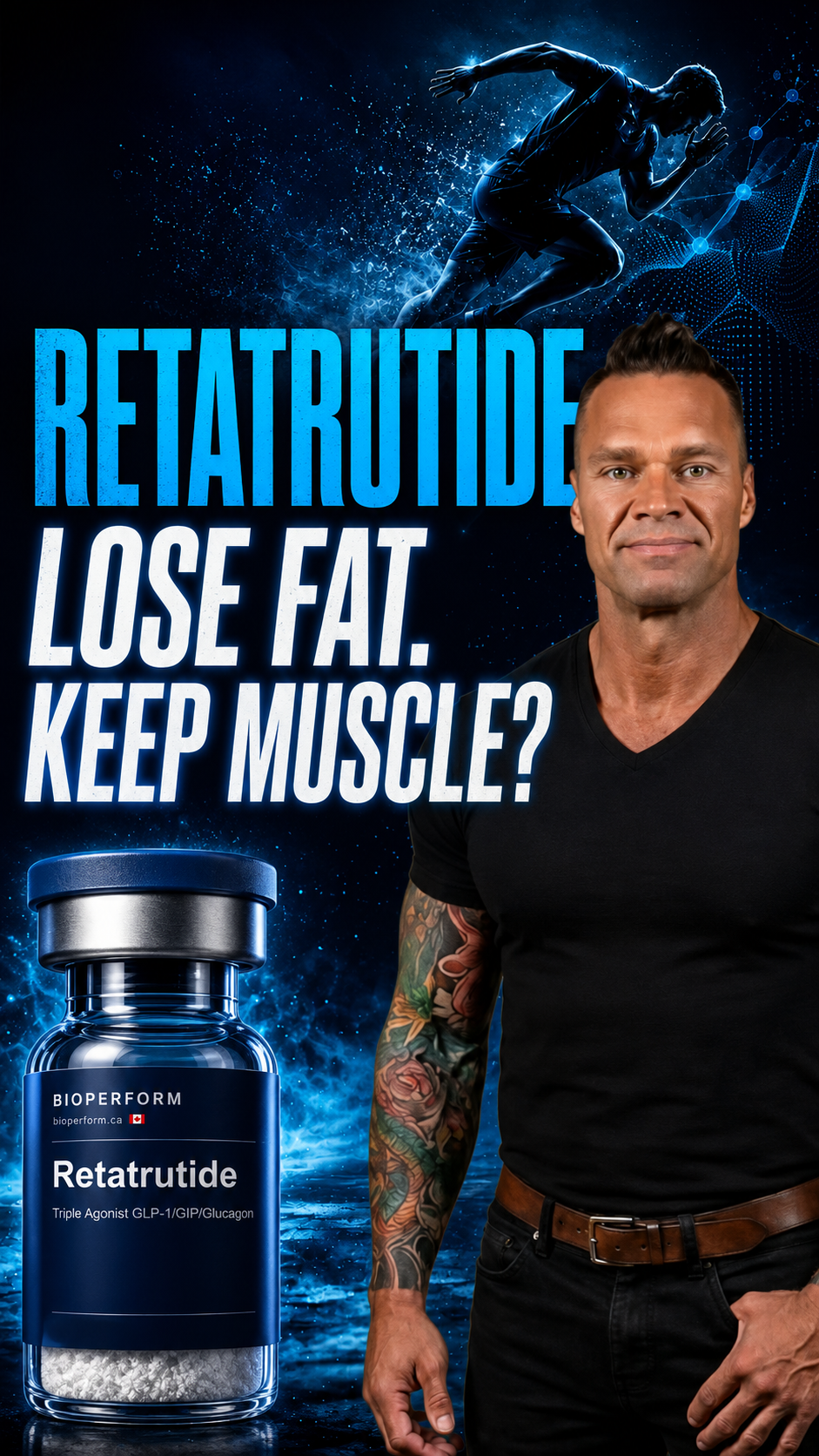
Retatrutide: Triple-Agonist Science and What Phase 3 Means
What Retatrutide’s new Phase 3 results actually show—and why this triple agonist remains investigational, unapproved and inappropriate for self-directed use.
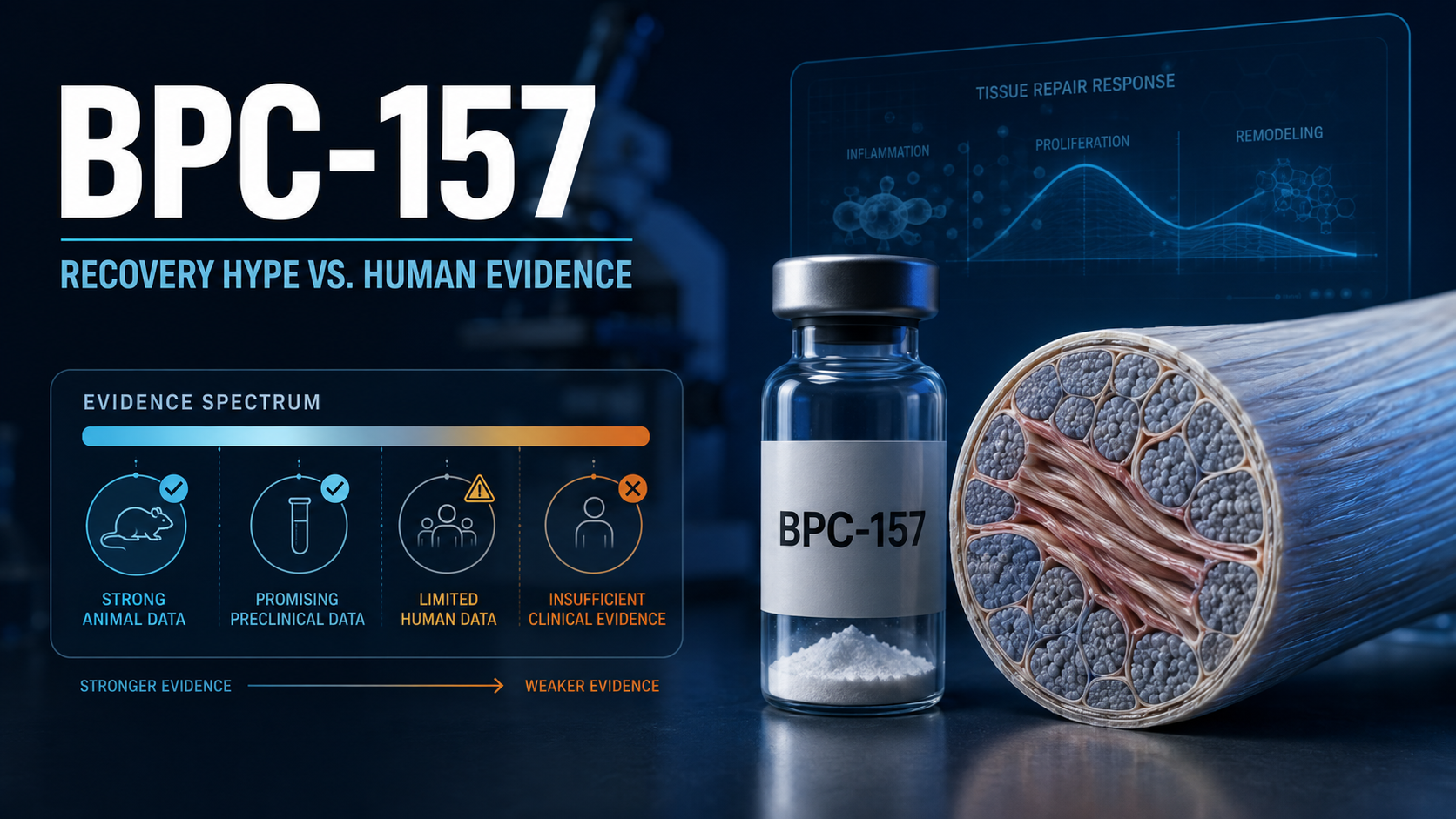
BPC-157: Recovery Hype Versus Human Evidence
What BPC-157 recovery research actually shows—animal findings, limited human evidence, FDA concerns, safety unknowns and anti-doping status.

GHK-Cu: Skin Evidence Versus Systemic Claims
What GHK-Cu research supports for topical skin use—and why cosmetic evidence should not be stretched into injectable or systemic rejuvenation claims.

Matrixyl and Argireline: What Topical Peptides Can Plausibly Do
Matrixyl and Argireline are popular topical peptides for fine lines, but the evidence supports modest cosmetic benefits—not “Botox in a bottle.” Here is what controlled human studies show, what remains uncertain, and how to evaluate a product safely.
Epitalon / Epithalon: Circadian Biology and Anti-Aging Claims
What Epitalon’s circadian, sleep and telomere research actually shows—and why current evidence does not support confident anti-aging or insomnia claims.